Getting Started: What to Eat on Your First Week of Ozempic
Starting Ozempic, Wegovy, or another GLP-1 medication is exciting—but that first week can be an adjustment. Your appetite is changing, food might taste different, and you may experience some nausea as your body adapts.
Don't worry. This guide will walk you through exactly what to eat (and avoid) during your first week.
Understanding What's Happening
GLP-1 medications work by mimicking a hormone that tells your brain you're full. They also slow gastric emptying, meaning food stays in your stomach longer. This is great for weight loss, but it means you'll need to rethink how you eat.
What to expect:
- Reduced appetite (often dramatically)
- Feeling full much faster
- Possible nausea, especially after large or greasy meals
- Changes in food preferences (many people stop craving sweets)
Your First Week Meal Plan
Day 1-3: Gentle Foods
Focus on easy-to-digest foods while your body adjusts:
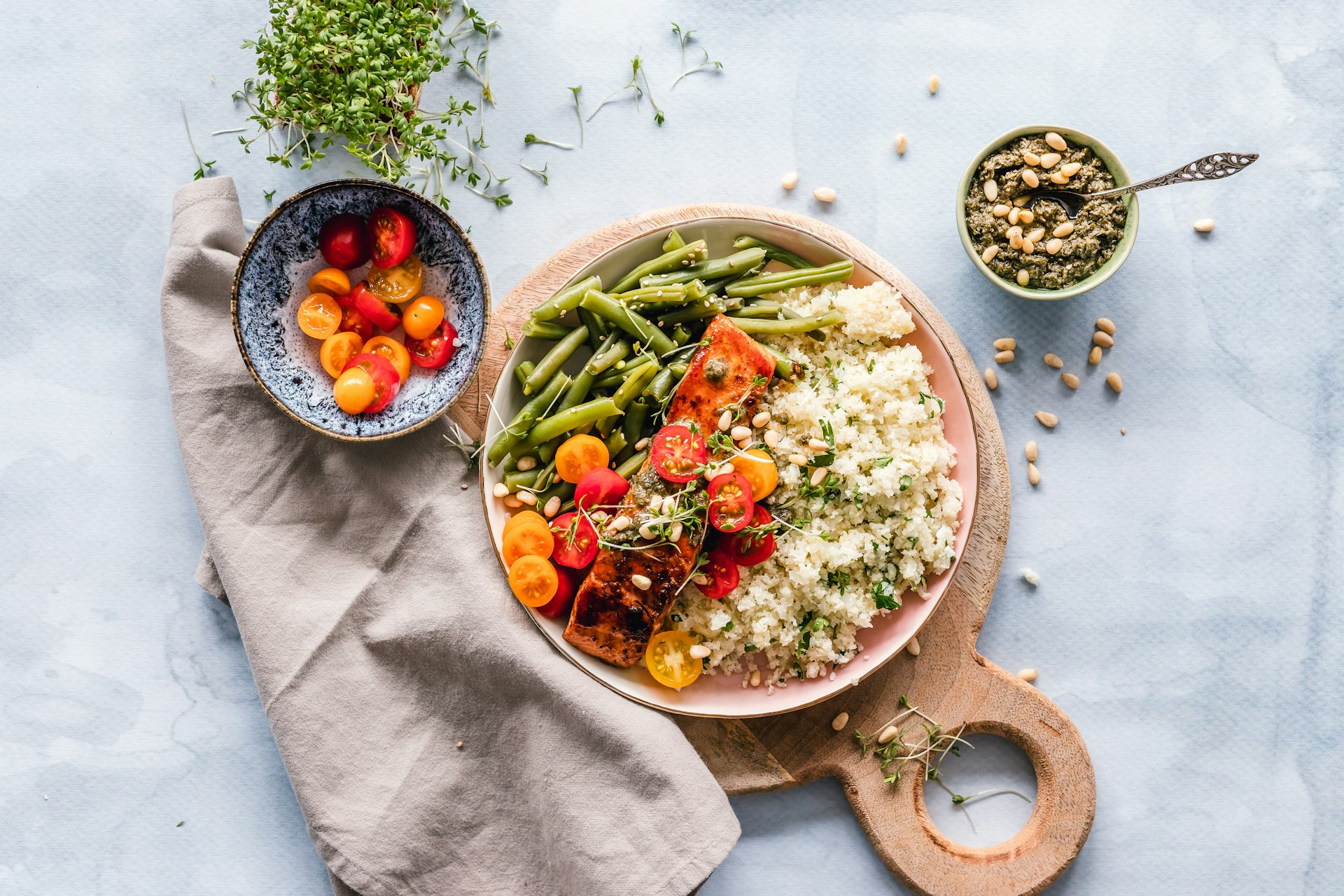
Breakfast: Greek yogurt with berries and a sprinkle of granola Lunch: Turkey and avocado wrap on whole wheat tortilla Dinner: Baked salmon with roasted vegetables Snacks: Small handful of almonds, string cheese, or an apple
Day 4-7: Finding Your Rhythm
By mid-week, you'll start understanding your new appetite patterns:
Breakfast: Scrambled eggs with spinach and feta Lunch: Chicken salad (made with Greek yogurt instead of mayo) Dinner: Lean ground turkey tacos with black beans and salsa Snacks: Protein shake, cottage cheese, or sliced vegetables with hummus
The Golden Rules
1. Prioritize Protein
Aim for 60-80g of protein daily to preserve muscle mass while losing weight. Good sources: eggs, Greek yogurt, lean meats, fish, beans, and tofu.
2. Eat Smaller Portions
Your eyes might still want a full plate, but your stomach won't. Start with half your normal portion and wait 20 minutes before deciding if you need more.
3. Eat Slowly
This is crucial. Chew thoroughly, put your fork down between bites, and actually taste your food. You'll feel full sooner and experience less nausea.
4. Hydrate, Hydrate, Hydrate
Aim for 64-80 ounces of water daily. Sip throughout the day rather than chugging large amounts at once.
Foods to Avoid (Especially Week 1)
- Fried/greasy foods – very hard on your stomach
- Large meals – portion control is everything
- Fast eating – leads to overeating and nausea
- Sugary drinks – empty calories you'll regret
- Spicy foods – can upset your stomach during adjustment
Managing Side Effects
If nausea hits:
- Switch to bland, BRAT-diet style foods (banana, rice, applesauce, toast)
- Eat smaller, more frequent meals
- Avoid lying down immediately after eating
- Try ginger tea or peppermint
When to call your doctor: Severe abdominal pain, vomiting that won't stop, or signs of dehydration.
The Mental Shift
The biggest adjustment isn't just physical—it's psychological. You may feel guilty not finishing meals or worry you're not eating enough. Trust the process. Your body is getting the fuel it needs; it's just getting better at signaling when it's had enough.
Your Week 1 Shopping List
- Greek yogurt (plain, full-fat)
- Eggs
- Lean ground turkey
- Chicken breast
- Salmon or other fatty fish
- Fresh vegetables (your favorites)
- Avocados
- Nuts (almonds, walnuts)
- Whole grain bread or wraps
- Berries
- Bananas
- Protein powder (optional)
Looking Ahead
By the end of week one, you'll likely notice:
- New awareness of true hunger vs. habit eating
- Less interest in snacking
- Preference for nutrient-dense foods
- Weight loss beginning (often 2-5 lbs initially)
Remember, this is a journey, not a race. Focus on nourishing your body, eating slowly, and staying hydrated. Your relationship with food is changing—and that's exactly what you wanted.
Have questions about your first week? Join the conversation on our community forum or subscribe to our weekly newsletter for ongoing tips.